Three Reasons Jesus Christ Had to Die
Was the death of Jesus of Nazareth really necessary? Couldn’t God have provided another way for the forgiveness of sin? Did He really have to die?

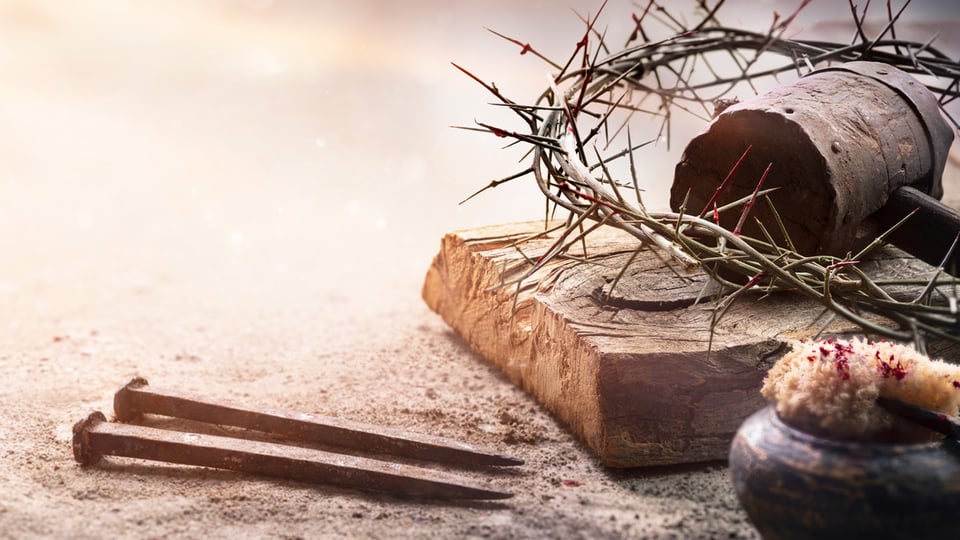
RomoloTavani/iStock via Getty Images
It is a fair question: Why did Jesus Christ have to die?
Since God is all-powerful, couldn’t He have simply forgiven our sins by fiat or provided an easier path for our salvation?
Isaiah 55:8-9 tells us that God’s ways and thoughts are higher than ours. In other words, God is much more intelligent and just than we are, and we should consider and try to learn why the Father and the Word saw the need for the Word to die.
Let’s consider three fundamental reasons that Jesus Christ had to die.
1. Jesus Christ died to show the enormous consequence of sin.
Sin, the breaking of God’s law, is very costly.
What are the costs of sin?
First and foremost, sin separates us from God (Isaiah 59:1-2).
Jesus Christ was the Creator of humanity, and as such, the value of His life far exceeds the combined value of all human beings who have ever lived.
Satan and the angels that sinned were cast out of heaven and are now separated from God (Luke 10:18; Revelation 12:7-9). When Adam and Eve chose sin, they severed the close relationship they originally had with their Creator.
All of us, you and me, have sinned and separated ourselves from God. Our sins were the reason we could not live in perfect harmony with Him and His ways.
But sin doesn’t only separate us from God; sin also brings death (Romans 6:23).
Yet, before the foundation of the world, God knew that humans would sin and would need Christ’s sacrifice (Revelation 13:8). God knew that unless a way of reconciliation was made, sin would make it impossible for humanity to enter His family.
So the Father and the Word developed a plan of redemption and reconciliation—a plan that would allow the chasm between us and God to be bridged.
The shedding of blood
According to God’s infinite wisdom, the price for sin is death—or the ending of a life.
The Bible tells us that life is in the blood (Leviticus 17:14). Hebrews 9:22 says, “And according to the law almost all things are purified with blood, and without the shedding of blood there is no remission [forgiveness].”
“Shedding of blood” signifies death, so this is another way of saying that forgiveness requires death.
The animal sacrifices of the Old Covenant pointed forward, as a physical type, to the shedding of the blood of Jesus Christ for purification and redemption from sin.
Jesus Christ’s blood was the only shed blood that could really make forgiveness of sin possible. He was fully without sin.
“Not with the blood of goats and calves, but with His own blood He entered the Most Holy Place once for all, having obtained eternal redemption. For if the blood of bulls and goats and the ashes of a heifer, sprinkling the unclean, sanctifies for the purifying of the flesh, how much more shall the blood of Christ, who through the eternal Spirit offered Himself without spot to God, cleanse your conscience from dead works to serve the living God?” (verses 12-14).
Jesus Christ was the Creator of humanity, and as such, the value of His life far exceeds the combined value of all human beings who have ever lived.
Christ endured unimaginable suffering, shedding His blood and dying in our place so that our sins could be forgiven. Through His sacrifice, we can be reconciled to the Father and given the opportunity to enter His eternal family.
2. Jesus Christ’s death demonstrated the love that He and the Father have for us.
In chapter 12 of Hebrews we read that Christ “endured the cross” for “the joy that was set before Him” (Hebrews 12:2).
Christ was able to look beyond His gruesome death. He knew that the suffering and torture He endured would make it possible for humanity to be reconciled to the Father. He knew the suffering would be temporary, yet would have results that would be eternal.
Because of Their great love, both the Father and the Son were willing to do what was necessary so that we could share eternity with Them.
“For scarcely for a righteous man will one die; yet perhaps for a good man someone would even dare to die. But God demonstrates His own love toward us, in that while we were still sinners, Christ died for us” (Romans 5:7-8).
There have been those who have given their lives to save others. But, as Paul brings out here, that is rare and is usually on behalf of a good person, not an evil person.
But the Father and Christ look beyond the present. They see not just what we are now, but what you and I can become with Their help.
They knew we were neither deserving nor worthy of the sacrifice made for us. Yet because of Their great love, both the Father and the Son were willing to do what was necessary so that we could share eternity with Them.
John 3:16-17 tells us that the Father loved humanity so much that He sent His Son not to condemn humans for their sins, but rather to save them from the certain death that sin brings.
All of this was driven and accomplished by the perfect love that God the Father and Jesus Christ have for those created in Their image.
3. Jesus Christ died to show God’s power over death.
Christ willingly gave up the benefits of divinity and became a flesh-and-blood human being. He then suffered a horrendous death and was dead for three days and three nights. Christ had no thoughts and was totally unaware of the passage of time.
But He didn’t remain dead.
Just before Christ resurrected His friend Lazarus back to physical life, He told Lazarus’ sister, “I am the resurrection and the life. He who believes in Me, though he may die, he shall live” (John 11:25).
It was the power of God that brought Lazarus back to life. That same power raised Christ and restored Him to His former glory.
It will be the same power of God that will resurrect all who have repented of their sins and will give them eternal life.
“But if there is no resurrection of the dead, then Christ is not risen. And if Christ is not risen, then our preaching is empty and your faith is also empty . . . But now Christ is risen from the dead, and has become the firstfruits of those who have fallen asleep” (1 Corinthians 15:13-14, 20).
Christ’s complete trust in the Father to raise Him from the dead gives us incredible hope and confidence in God’s power over death.
God knows what He is doing
The plan of salvation, established before time began, is to bring many sons and daughters to glory. Both the Father and Jesus Christ want you to share eternity with Them.
But for that to be possible, Jesus Christ had to die. His death vividly illustrates the terrible consequences of sin. His willingness to give His life demonstrates both His and the Father’s incredible love for us.
When the Father raised Christ from the dead, it revealed His power over death—the very same power that will not only resurrect us, but grant us eternal life.
As Paul wrote, “Oh, the depth of the riches both of the wisdom and knowledge of God! How unsearchable are His judgments and His ways past finding out!” (Romans 11:33).
Jesus Christ died so that we might live.
Date Posted: March 30, 2026
About the Author

Tim Groves
Tim Groves attends the Gainesville, Georgia, congregation of the Church of God, a Worldwide Association, where he serves as a deacon.
He has been married to his wife, Teresa, for over 35 years. Together, they have two daughters and two sons and live in South Carolina. They moved there from Ohio in 1997 to flee the cold northern winters and allow him to do the things he really enjoys, like roaming though automobile junkyards looking for hidden treasures from times long past.